 Shoe Shine Kits
 Care Products
 Shoe Trees
 Brush
Brush Polishing Cloths
 Shoe Shine Boxes
 Shoe Horns
 Insoles
 Boots Accessories
 Shoe Bags
 Shoe Laces
 Socks
Socks Shoe Care Guide
 Kits
Kits Care Products
 Customization
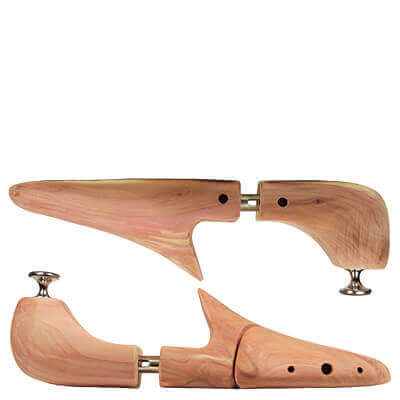 Shoe Trees
 Polishing Cloths
 Shoe Horns
 Shoe Laces
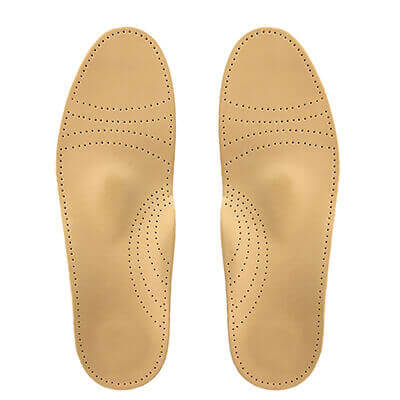 Insoles
 Shoe Bags
 Tutorials
 Kits
Kits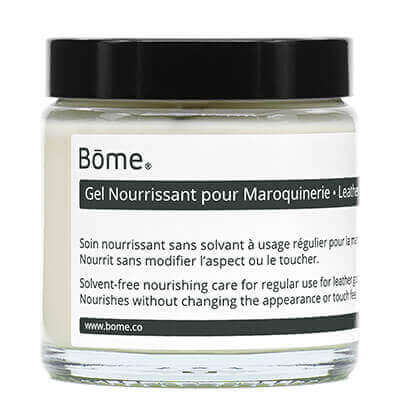 Care Products
 Polishing Cloths
 Tips & Videos
 Kits
Kits Care Products
 Microfibers
 Tips & Videos
 Kits
Kits Care Products
 Microfibers
 Tips & Videos
 Polishing Leather Shoes
 Suede Shoe Care
 Cleaning and Protect Sneakers
 Cleaning your canvas shoes
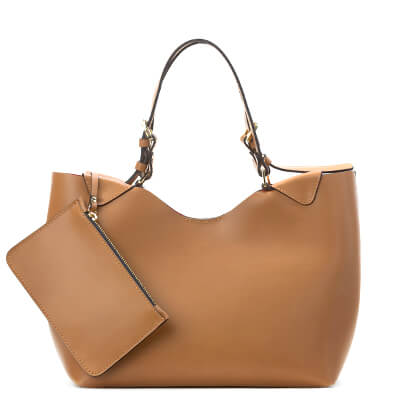 Clean your Bag and Leather Goods
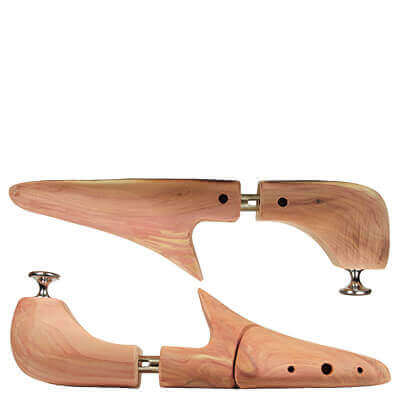 The Shoe Tree Bible
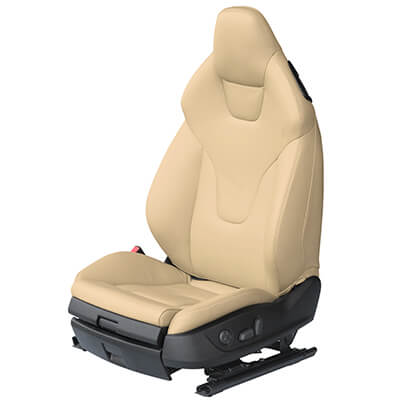 Clean your car's leather
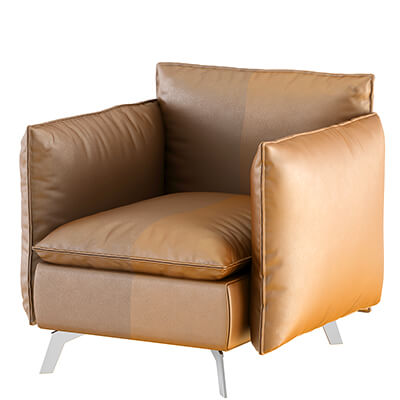 Clean your leather sofa
 All Shoe Care Guide
 Our story
 News
News Guides & advices
 Decodings
 Customer reviews
How to know which type of orthotic insoles you need ?
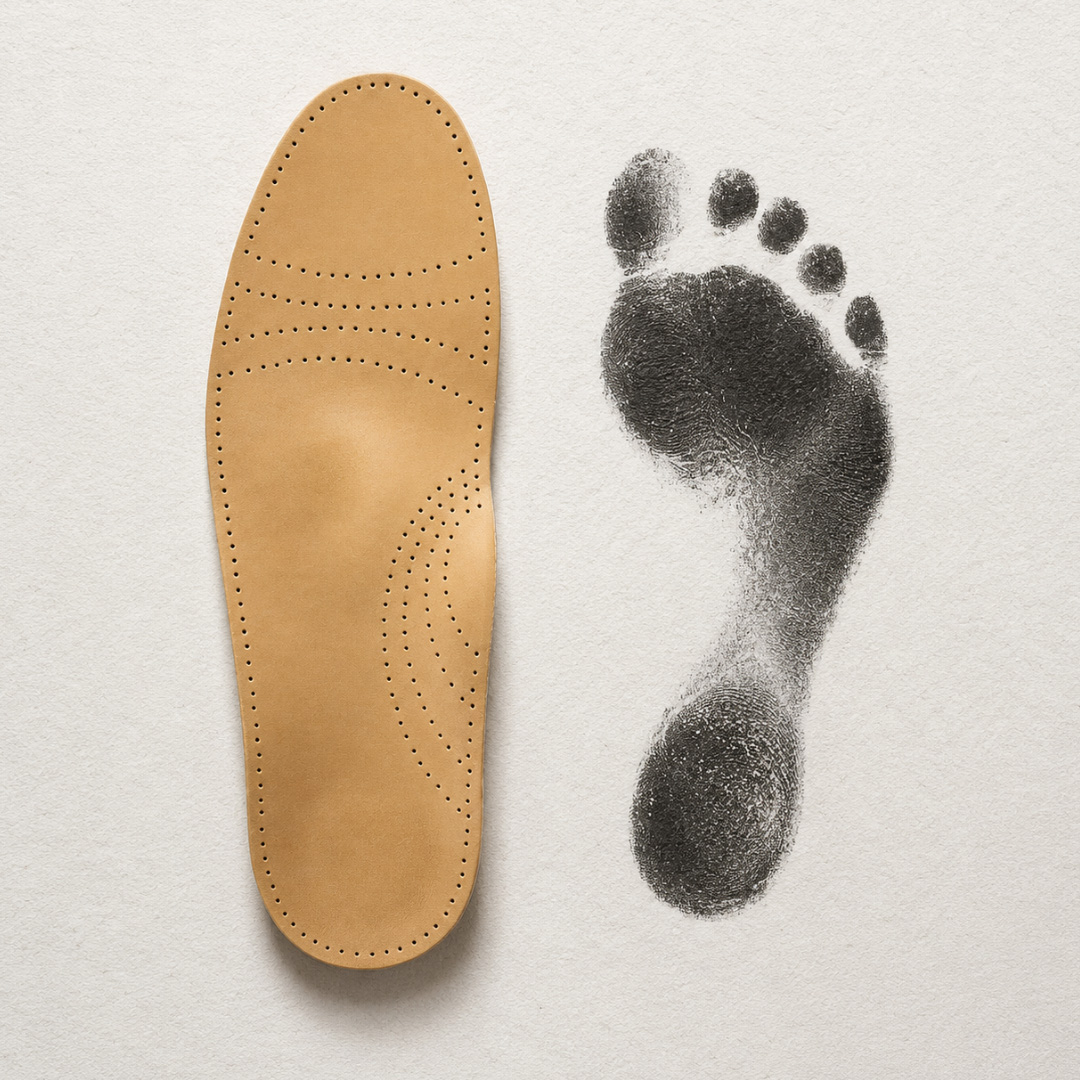
Summary
Orthotic insoles: what does it actually mean? Signs that justify an assessment by a healthcare professional When a comfort insole may be enough Off-the-shelf “orthotic” insoles: who are they for? When to see a specialist for your orthotics insoles How should orthotic insoles fit and and when to replace Products used
Orthotic insoles: what does it actually mean?
We spoke with Tiphaine Girre, a podo-orthotist, for this article. With 20 years of experience, she specializes in crafting custom orthotic insoles that are perfectly tailored to her patients’ needs.
This is one of four professions authorized to do so, along with podiatrists, orthopedists, and prosthetists. The term “orthopedic insoles” is often used to describe two different things.
Custom medical foot orthotics are part of a personalized treatment plan. They are prescribed following an examination and diagnosis by a specialist and are designed to address specific medical conditions.
“Ready-to-wear orthopedic insoles are primarily designed for support, cushioning, and everyday comfort, but they are no substitute for a custom-made medical device when one is necessary.”
Standard orthopedic insoles are mass-produced and ready-to-wear. Their quality varies, and they can even worsen your pain if they are poorly made.
Monsieur Chaussure has been offering standard orthopedic insoles for about fifteen years. Over the years, we have kept pace with industry developments to improve our orthopedic insoles and ensure their quality.
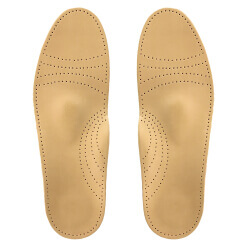
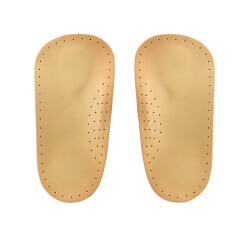
The standard orthopedic insoles mentioned in this article therefore refer to our Full Length Orthopedic Insoles and our Orthopedic Insoles Arch Support.
Signs that justify an assessment by a healthcare professional
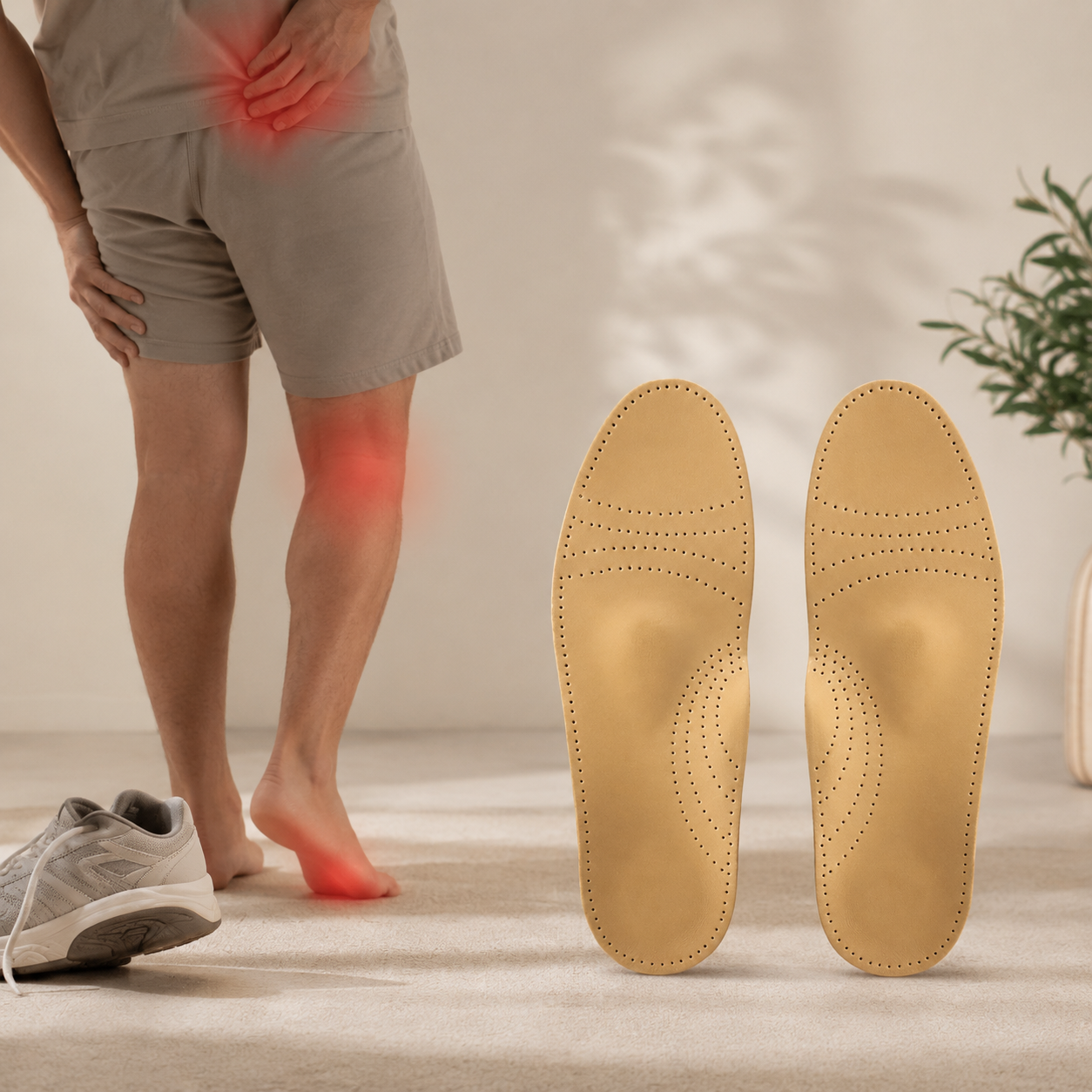
When these symptoms come back often, it’s a sign you should consider custom medical orthotics:
• Recurring and lasting foot pain.
• A fallen arch, or the feeling that the foot is “flattening”.
• Knee or back pain linked to walking.
• An imbalance in how you load the foot, with instability, discomfort always on the same side, or very asymmetrical wear on your shoes.
“In these situations, the right approach is to see a healthcare professional for a podiatric assessment and guidance towards an appropriate diagnosis. But if you don’t need to correct your posture, an off-the-shelf insole may be enough for your needs.”
When a comfort insole may be enough
In many cases, you are not trying to correct posture: you are simply looking for more comfort in your shoes. A comfort insole may be enough if you mainly experience:
• Tired feet at the end of the day,
• Shoes that cushion impacts poorly (hard ground, city walking),
• Long periods of walking (commuting, travel, standing for long hours),
• Shoes that are slightly too big (a small amount of movement inside).
“For comfort-focused insoles or mild pain, off-the-shelf orthotic insoles can be suitable for a large part of the population.”
Off-the-shelf “orthotic” insoles: who are they for?
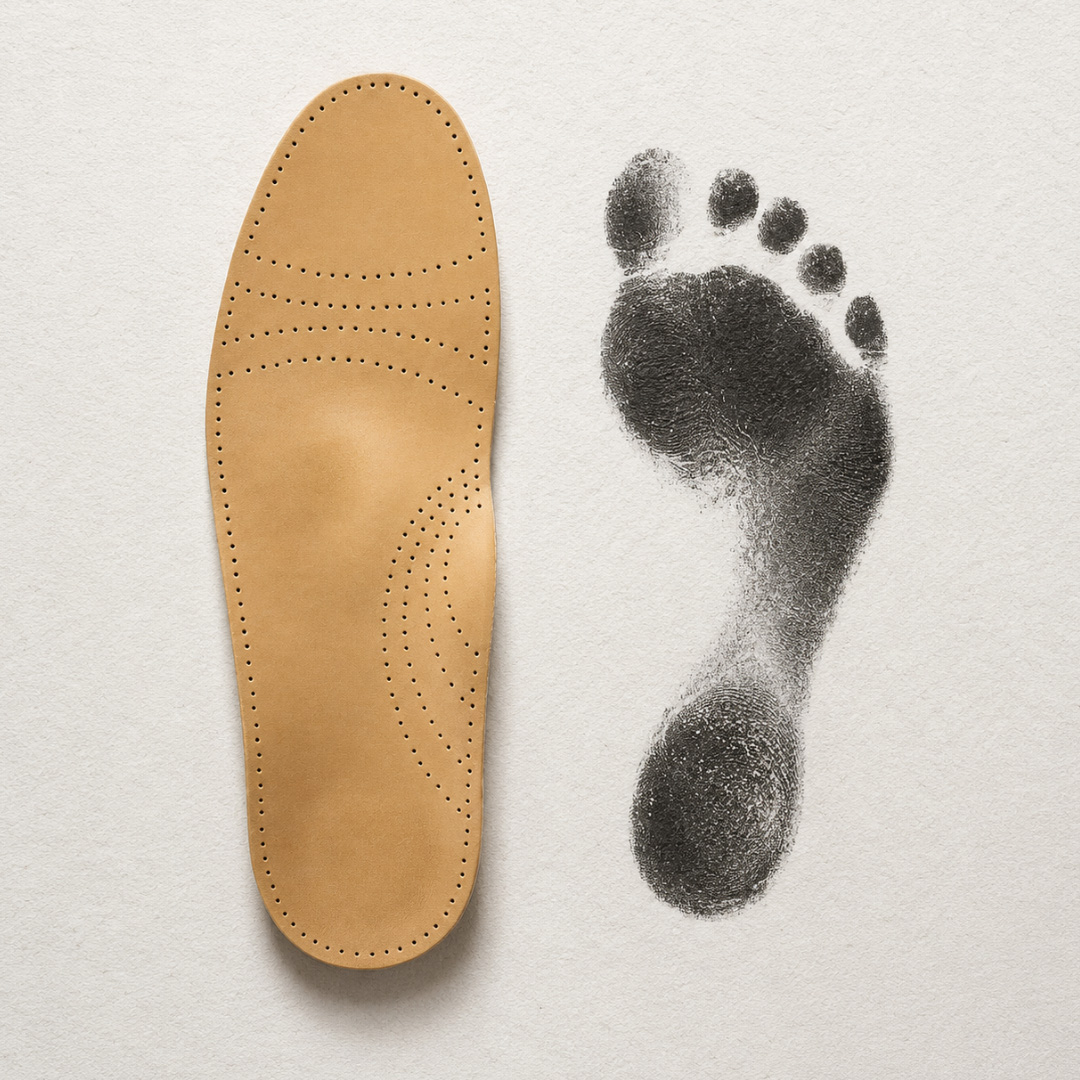
If your main goal is more support and more cushioning daily, our off-the-shelf insoles can help improve how your feet feel supported when walking.
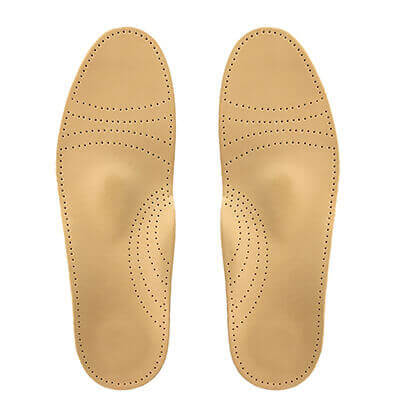
For that, there are full-length orthotic insoles, which support the foot’s natural arch to improve foot support and absorb impacts.
They have more volume and therefore require enough space in the shoe, but they can also be installed in place of the original insole.
Place them with the leather side up after removing the protective film from the adhesive area.
When to see a specialist for your orthotics insoles
An off-the-shelf orthotic insole can improve everyday comfort, but it does not replace medical advice. See a healthcare professional if:
the pain is recurring or getting worse,
• You change how you walk (limping, compensating),
• You suspect a fallen arch or an imbalance in how you load the foot,
• You feel “chain” pain linked to walking, from the feet up to the back, including the knees.
“If the pain fades with off-the-shelf insoles, you don’t need custom orthotics. But if the pain persists and spreads (towards the knees, hips and back), it’s a sign you should see a specialist.
In that case, an off-the-shelf orthotic insole can be a first step to check whether a podiatric assessment is needed. If in doubt, see a doctor first, and get medical imaging if required, before moving on to custom insoles.”
How should orthotic insoles fit and and when to replace
An insole only helps if it is properly fitted and in good condition. Here are a few good practices:
• Open the shoe well, lay the insole flat, and check that the thickness doesn’t create discomfort.
• Stick the insole correctly against the heel so the arch supports are positioned in the right places.
• Many insoles are designed to be trimmed if needed, to match the shape of your pair as closely as possible.
• Replace them as soon as the initial pain returns, when they feel flattened, look worn, or when hygiene becomes harder to manage.
“For dress shoes, the original insole is often glued and flat; that doesn’t cause a problem with plantar orthoses. In sneakers, remove the original insole before fitting the orthotic insole, to avoid double correction or too much volume.”
“French Social Security allows one pair of orthotic insoles per year for people over 16, and two pairs per year for children, who grow quickly.
In practice, their lifespan depends on usage and sports activity… But an annual check-up is healthy, even if you don’t replace insoles after the appointment.”